How to Discover Hidden Gem Gin Bar NYC Locations
@dominickmpnh757
October 9, 2026 · 16 min read
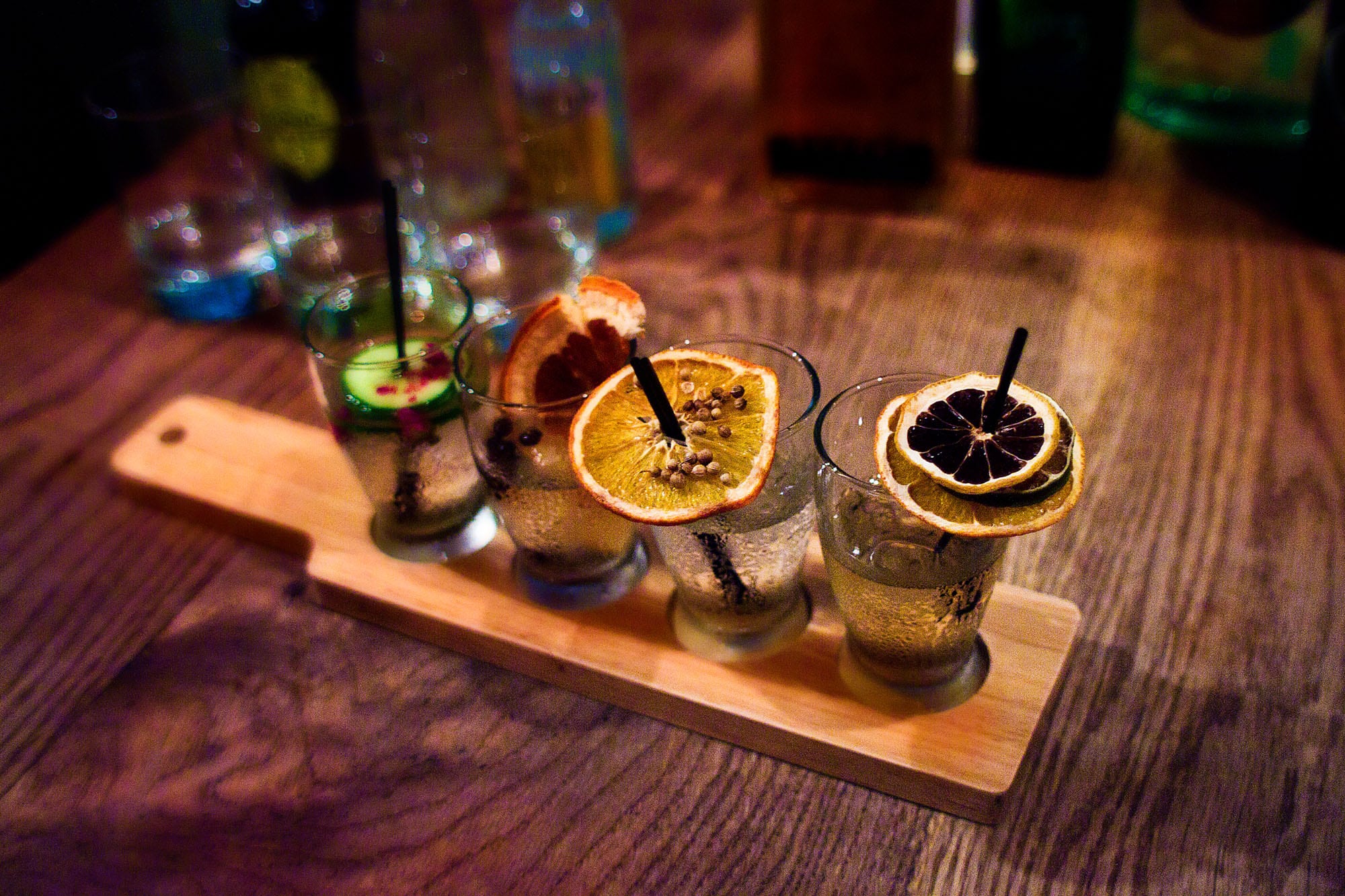
New York is full of bars that photograph well, attract press quickly, and disappear from conversation just as fast. Gin bars tend to follow a different rhythm. The memorable ones often hide in plain sight, behind an unmarked door, above a restaurant, at the back of a hotel lobby, or on a quiet block that most people only use as a shortcut. If you are trying to find a true hidden gem Gin Bar NYC drinkers would actually return to, the process is less about chasing hype and more about learning how the city reveals itself.
That matters because gin is not a forgiving category. A bar can stock thirty labels and still make lifeless drinks. It can talk about botanicals all night and still serve a martini too cold to taste or a G and T with tired tonic and a limp lime wedge. A hidden gem is not simply obscure. It is a place where the choices behind the bar feel considered, where the staff can guide rather than lecture, and where the room makes you want to stay for one more round.
Over time, a pattern emerges. The best gin bars in New York rarely scream for attention. They are usually built on small decisions done well, glassware that suits the pour, clean ice, balanced dilution, proper garnish, a backbar with range instead of redundancy, and bartenders who know when to ask what style of gin you enjoy before they recommend anything. Once you know how to spot those signals, finding the right place becomes much easier.
What “hidden gem” really means in a city like New York
In a smaller city, hidden can mean literally unknown. In New York, hidden usually means selectively known. The room may be busy on a Friday, but most of the crowd found it through bartenders, neighborhood regulars, hotel workers, chefs, or friends with unusually reliable taste. That kind of place can be invisible to tourists and still be deeply established.
The strongest candidates usually share a few traits. They are often tucked into neighborhoods with enough foot traffic to sustain a bar but not so much that every concept becomes theatrical. The West Village, parts of the Lower East Side, Carroll Gardens, Cobble Hill, Fort Greene, the East Village, and stretches of Harlem all reward patient wandering. So do pockets around Long Island City and Greenpoint, where serious beverage programs can sit one block off a busy avenue and escape mass attention.
The point is not that every quiet bar is good. Plenty are quiet because they are forgettable. The point is that gin, perhaps more than bourbon or mezcal, thrives in places where the overall experience is tuned rather than amplified. A gin-focused room benefits from intimacy. You want enough energy to feel alive, but not so much noise that every drink becomes a blur.
Start with the backbar, not the neon
When I walk into a new place and want to know within two minutes whether it deserves a second round, I look at the backbar before I ever read the cocktail menu. A serious gin program tells on itself. If the selection is all global prestige labels and no real variety in style, that is a warning sign. A thoughtful bar will usually show a spread of London dry, citrus-driven bottles, softer floral expressions, a few savory or coastal styles, and at least one local or regional gin that the staff can discuss without sounding rehearsed.
A hidden gem Gin Bar NYC visitors miss often has a bottle lineup that reflects actual use rather than decorative collecting. You may see familiar standards because they earn their place, but you should also spot choices that suggest the bar team has specific cocktails in mind. Maybe there is a navy strength gin because the bartenders understand structure in stirred drinks. Maybe there is a softer contemporary gin for guests who do not love juniper-forward profiles. Maybe there is an Old Tom because someone cares about historical recipes enough to execute them properly.
That kind of curation matters more than sheer volume. Fifty gins do not help if the martini spec is weak and the tonic comes from a soda gun that flattens every highball.
The menu gives away more than most guests realize
A menu can tell you whether a place actually respects gin or merely includes it. If every gin cocktail leans on cucumber, elderflower, and a cloud of floral language, the program may be stuck in a narrow lane. Good gin bars understand range. They make room for dry, bracing drinks, citrus-led sours, herbaceous long drinks, bitter aperitif builds, and classics executed with discipline.
Pay attention to whether the menu names the specific gin in each house cocktail. That small detail often signals confidence. If the recipe lists the base spirit, the bar probably wants you to understand why that bottle was chosen. If everything simply says “gin,” there may still be quality behind it, but the odds are lower.
I also look for restraint in the descriptions. The best places do not need to bury the spirit under six modifiers. If a menu offers a martini variation, a Collins or Rickey-style highball, a Negroni or white Negroni, and one or two original drinks where gin remains clearly central, the team probably knows what it is doing.
One of the easiest mistakes people make when hunting hidden bars is assuming the most creative menu is the strongest menu. With gin, creativity can be wonderful, but technique has to come first. A bar that makes a crystalline martini and a perfectly carbonated gin highball will often be more satisfying than a room serving ten elaborate drinks that all taste like garnish.
Timing changes everything
Some bars reveal themselves only at certain hours. This is especially true in New York, where one room can feel elegant at 6:30 and chaotic at 10:30. If your goal is discovery rather than nightlife spectacle, early evening is your friend. Arrive before the rush, sit at the bar, and ask a smart question. Bartenders who are not slammed often give their best recommendations in those first ninety minutes of service.
Late afternoons can be even better. You see how a room carries itself before the crowd edits the atmosphere. You can watch setup habits, glass polishing, garnish prep, and how staff members talk to one another. Those details matter. A bar that is meticulous before the rush usually holds up when it gets busy.
There is also a practical advantage. Hidden gem places often have limited seating, and a room with twelve seats at the bar can feel impossible to access if you only show up at peak time. Going earlier lets you judge the place on its own merits instead of on the mood of a packed house.
Learn the neighborhoods the way service workers do
The best bar discoveries often happen one layer removed from the obvious strip. In Manhattan, that can mean stepping off a restaurant-dense avenue onto a side street where rents and foot traffic permit more personality. In Brooklyn, it can mean looking near established dining corridors without sitting directly in the middle of them. Good bars benefit from proximity to restaurants because they catch pre-dinner and post-dinner guests, but the hidden gems are often not the brightest storefront on the block.
One useful habit is to scan where restaurant workers and bartenders go after their shifts. Not every late-night industry hangout is ideal for a careful gin drink, but industry loyalty usually indicates fair pricing, solid pours, and staff who know what they are doing. If a bartender at a respected restaurant sends you to a nearby gin spot on their night off, pay attention.
Hotels can be another overlooked category. Some of New York’s better gin bars operate inside boutique hotels without leaning into the usual hotel-bar blandness. These places can stay under the radar because people assume they exist for travelers only. In practice, a smart hotel beverage director may have the budget and volume to support an unusually strong spirits program. The trick is separating serious bars from generic lobby lounges. Again, the backbar, menu language, and bartender interaction tell you almost everything.
The right questions unlock the best recommendations
Most people ask, “What’s good here?” That is understandable and not especially useful. Better questions invite the bartender to show taste and judgment.
Here are five questions that consistently lead to better gin-bar experiences:
- “Do you have a gin drink that really shows the spirit rather than the modifiers?”
- “Which gin on your backbar surprises people when they taste it neat?”
- “If I like a dry martini with structure, which bottle do you prefer here?”
- “What on the menu would you order for someone who thinks they don’t like gin?”
- “Is there a quieter time when this bar feels most like itself?”
These questions work because they are specific without being performative. You are not testing the bartender. You are giving them enough information to guide you. Good professionals usually respond generously when they sense genuine curiosity.
I have found some of my favorite bars that way. A bartender once steered me away from the signature drink everyone was ordering and into a simple gin and tonic built with a Spanish-style tonic, grapefruit peel, and a sharply herbal gin I had never tried. It was not flashy. It was balanced, cold, aromatic, and exactly right for the room. That recommendation told me more about the bar than any dramatic menu description Gin Bar NYC could have.
Social media is useful, but only if you read it sideways
Social media can help, though not in the way most people use it. If you search only for the most tagged gin bars in New York, you will mostly find places already running on attention. Hidden gems leave quieter traces. Look at who local bartenders follow. Check what gets posted in Stories rather than polished grid posts. Read captions for details about guest shifts, bottle features, martini nights, or temporary menus. Those small signs often point toward bars with active beverage culture.
Comments can be revealing too. If regulars mention returning for the staff, the martinis, or a specific house G and T, that means more than generic praise about vibes. Photos also deserve a close read. Are the martini glasses well chilled and clean? Are garnishes neat and intentional? Does the bar look like it can handle both a two-person date and a solo guest reading at the end of the bar? Those are better signals than whether a drink glows blue under accent lighting.
At the same time, you have to discount for staging. Some bars photograph larger and louder than they feel in person. Others, especially low-lit gin bars, photograph poorly and drink beautifully. If you know that, you stop confusing online performance with actual quality.
Signs that a gin bar is worth your time
You can usually identify a promising place quickly if you know what to watch for. The clues are practical, not mystical.
- The bartender asks a follow-up question before recommending a gin.
- The tonic is treated like an ingredient, not an afterthought.
- The martini options show intentional differences, not just vodka or gin.
- The garnish choices match the spirit and drink style.
- The room has regulars who are clearly there for the bar, not just the scene.
That final point is underrated. Regulars are one of the best quality markers in the city. When people who have countless options choose the same bar repeatedly, there is almost always a reason.
How to tell whether the gin program is serious
There is a difference between a bar that stocks gin and a bar that understands it. The easiest way to spot that difference is through service language. A serious bartender will often talk about texture, proof, botanical emphasis, or how a gin behaves in a particular build. They might explain that one bottle sharpens a Negroni while another turns soft and citrusy in a Collins. They might steer you toward a lemon twist instead of an olive because the drink’s architecture depends on it.
You should also notice confidence around classic formats. A hidden gem bar does not need to advertise itself as “martini-focused” to make a great martini. In fact, some of the strongest gin bars are modest about their classics because they assume competence should be normal. If you order a martini and the bartender asks the right questions about ratio, garnish, and style, that is encouraging. If they volunteer a house preference and explain why, even better.
Glassware is another revealing detail. Oversized novelty stems and awkward coupes often signal style over substance. Gin shines in properly chilled, balanced glassware that supports aroma and temperature control. Small point, big impact.
Then there is ice. People who care about gin care about dilution. A bar using good ice in stirred drinks and fresh, appropriately sized ice in highballs is usually paying attention elsewhere too.
Price, prestige, and the myth of the expensive hidden gem
New Yorkers often assume a special bar must be expensive. Sometimes that is true, especially when rents, glassware loss, and labor all bite into margins. But hidden gem gin bars are not always luxury bars. Some of the most satisfying ones are neighborhood spots where the staff simply know their product and keep standards high. You might pay less than you would at a famous cocktail destination and drink better.
A higher price is justified when the service, product range, and execution support it. It is less justified when the room is trading on scarcity or theatrics. Prestige can distort judgment, especially in Manhattan. A polished room with velvet banquettes and a hard-to-get reservation may still serve a merely adequate martini. Meanwhile, a smaller place around the corner might nail balance every time and remember your preference by your second visit.
That is one reason repeat visits matter. A hidden gem proves itself through consistency. Anyone can deliver one excellent round on a quiet night. The real test is whether the place holds its standards across a month, across a packed weekend, across different bartenders.
Build your own map instead of chasing someone else’s
If you genuinely enjoy gin, the best long-term strategy is to build a personal map of the city. Not a public spreadsheet built for clout, but a practical mental file. Note which neighborhoods tend to suit your pace. Remember which bars pour a drier martini, which ones excel at long drinks, which ones handle solo guests well, and which places are best for bringing someone who says they are not a gin person.
The hidden gem hunt gets easier once you know your own palate. Someone who loves sharp juniper-forward drinks will rank a room differently from someone who prefers softer citrus-led gins. Neither is wrong. The trick is matching the bar’s strengths to your taste rather than assuming every acclaimed venue must fit you.
I also recommend revisiting places in a different season. Gin behaves differently in your mind depending on weather and mood. A tight, icy martini in February scratches a different itch than a tall, bitter, aromatic highball in June. Some bars come alive in winter because their rooms feel intimate and warm. Others are made for spring evenings when the windows are cracked and the first round turns into dinner.
Don’t ignore food, even if you came to drink
A lot of excellent gin bars improve dramatically once you factor in food. That does not mean full-scale dining. Sometimes it is just a few salty, sharp, well-chosen snacks that keep your palate awake and your drinking pace civilized. Olives, anchovies, good chips, cured fish, small sandwiches, or a proper cheese plate can turn a good stop into a place where you spend three comfortable hours.
Food also reveals seriousness. A bar that thinks carefully about what pairs with gin usually thinks carefully about the rest of the experience. This is especially true in New York, where many bars rely on compact, efficient menus. Limited food is not a drawback if what they offer supports the drinks.
There is a more practical reason too. If you are exploring multiple neighborhoods or checking two bars in one evening, even a small plate keeps your judgment sharper. Hidden-gem hunting goes badly when every stop blurs into the last one.
Why the best finds often come through conversation
For all the apps, posts, and maps available now, New York still works best through conversation. Bartenders talk to chefs. Servers talk to sommeliers. Hotel concierges who actually go out have short lists they guard carefully. Guests at the next stool over may mention a place you have walked past ten times. The city remains stubbornly human that way.
That is especially true for gin. It is a category that attracts devotees, but not always loud ones. Ask someone who orders martinis with confidence where they go when they want one made properly. Ask a spirits rep which bars care about tonic selection. Ask a bartender where they would take a friend who thinks gin tastes like a pine tree and needs to be converted gently. The answers tend to be better than any generic top-ten ranking.
Once you begin listening for these kinds of recommendations, the phrase Gin Bar NYC stops being a search term and becomes a set of real places, each with a point of view. One will specialize in precision classics. Another will lean botanical and modern. Another will feel like a neighborhood refuge where the gin and tonic somehow tastes better than it has any right to.
That is the pleasure of the hunt. You are not looking for a secret password or a hidden staircase merely for the novelty of it. You are looking for the bar where the room, the bottle, and the hand that pours it all align. New York still has plenty of those places. Most of them are not trying too hard to be found. That is often the first sign they are worth finding.
The Winslow
243 E 14th St
New York, NY 10003, United States
Phone: +1 212-777-7717
FAQ About Gin Bar NYC
How to do a gin tasting?
Start with a small pour and gently smell the gin before taking a small sip. Notice its juniper, citrus, floral or spice notes, then compare how the flavor changes with a little water or tonic. At a gin bar, ask the bartender to explain the selection and botanical pairings.
How to make the best tasting gin and tonic?
Use chilled gin, fresh tonic and plenty of ice. A common starting ratio is one part gin to two parts tonic, adjusted to taste. Choose a garnish that complements the gin's botanicals and stir gently to preserve the bubbles.
What is the smoothest tasting gin?
There is no single smoothest gin for everyone. Perceived smoothness depends on the botanical recipe, alcohol strength, serving temperature and mixer. Describe whether you prefer citrus, floral, herbal or juniper-forward flavors so a bartender can suggest a suitable style.