The Ultimate Guide to Finding the Best Gin Bar NYC Has to Offer
@dominickmpnh757
October 9, 2026 · 15 min read
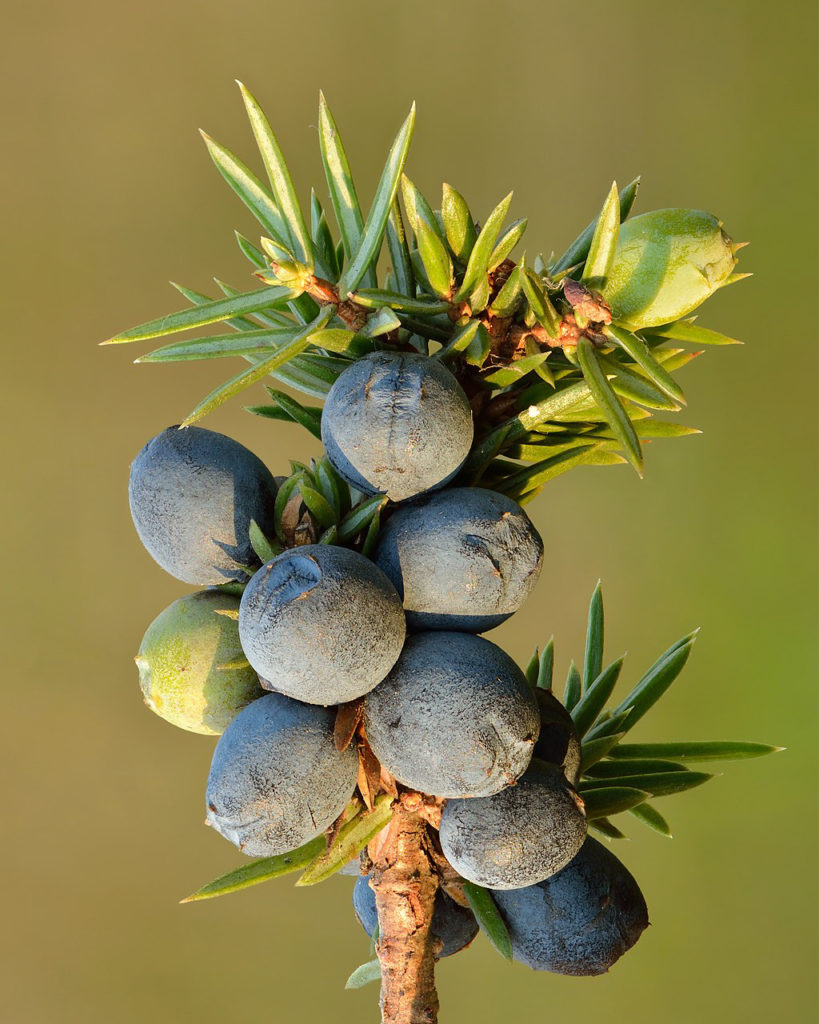

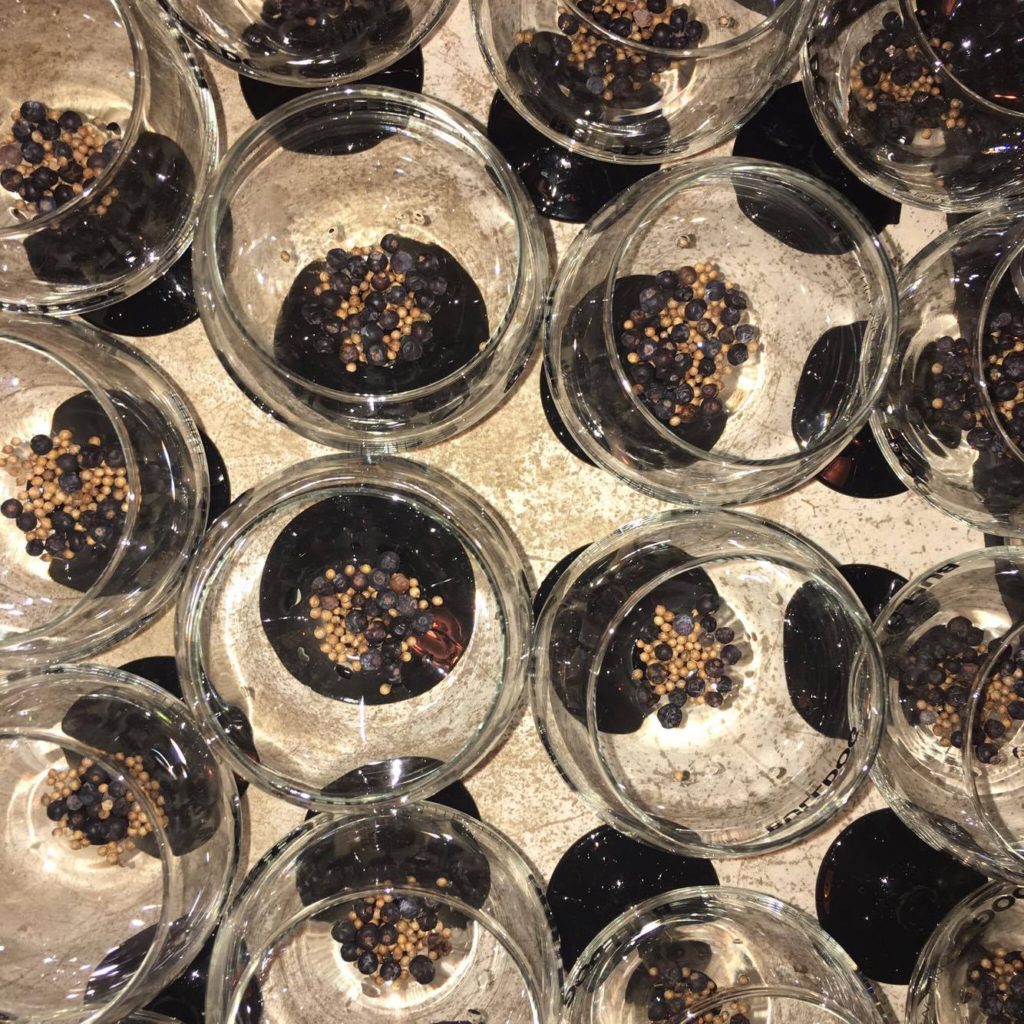
New York has never had a shortage of good places to drink, but finding a truly great gin bar is harder than it sounds. Plenty of spots carry a respectable back bar and can build a decent G and T. Far fewer understand gin as a category with real depth, the way a serious whiskey bar respects mash bills and age statements or a great wine bar respects terroir and vintage. If you are searching for the best Gin Bar NYC has to offer, the difference matters.
A proper gin bar does more than stock a few familiar London dry labels and shake out a perfunctory martini. It treats gin as a living, evolving spirit. That means paying attention to botanical balance, temperature, dilution, tonic selection, garnish discipline, glassware, and the style of service that lets a guest explore rather than guess. In a city where menus compete for attention and every neighborhood claims a hidden gem, those details separate the places worth returning to from the ones that simply photograph well.
I have spent enough evenings in New York bars to know that the first impression can be misleading. Gin Bar NYC A room can have perfect lighting, polished brass, and shelves full of handsome bottles, yet still produce a watery martini and a tired garnish. On the other hand, a compact corner bar with a short menu and a bartender who asks one smart question, “Do you want juniper forward, citrusy, or floral?” can lead you straight to the best drink of the night. That is the bar you remember.
What makes a gin bar genuinely good
Gin looks simple from the guest side of the bar. It is clear, aromatic, and usually served in drinks people think they already understand. The challenge is that the margin for error is thin. A heavy hand with citrus can flatten a nuanced gin. Warm glassware dulls the snap of a martini. The wrong tonic can bury a spirit that was chosen for its subtle spice or herbal lift.
At the best gin bars in New York, attention to detail shows up immediately. The menu is usually focused rather than bloated. You will see classic drinks that deserve respect, martinis, negronis, gimlets, Collinses, and maybe one or two house signatures that make sense instead of reaching for novelty. The staff knows how to talk about gin without sounding rehearsed. They can explain why a navy strength gin behaves differently in a sour, or why an olive garnish complements one martini spec but overwhelms another.
Stock alone is not enough, though it matters. A thoughtful gin program should represent several styles. London dry should be there, certainly, but also contemporary gins with softer juniper, citrus led bottles, herbaceous expressions, and perhaps a few savory or regional choices. New York drinkers are increasingly curious, and the city’s best bars respond to that curiosity. They make it easy to compare, not just consume.
Here is where a lot of bars miss the mark. They buy great bottles, then present them in drinks built from generic mixers, inconsistent ice, and old citrus. Gin is especially unforgiving of careless prep. You notice oxidation in lemon quickly. You notice a limp rosemary sprig or a stale lime wedge instantly. You notice when the tonic came off a soda gun instead of from a quality bottle or can chosen to fit the drink.
The first five minutes tell you almost everything
If you want to judge a Gin Bar NYC scene veteran would actually return to, pay attention before you order. The room will tell on itself.
- Look at how the bartender handles glassware. Chilled coupe glasses, clean stems, and no sticky rims are strong signs.
- Notice whether garnishes look fresh and intentional, not pre-cut hours ago and drying out in a caddy.
- Scan the back bar for breadth. You want more than the obvious labels and at least a few styles represented.
- Read the menu language. Clear, specific descriptions usually indicate real thought behind the drinks.
- Watch one martini go out. If it is served briskly, cold, and with confidence, that is a good omen.
That short read of the room works because gin service depends on systems. Bars that care about mise en place, temperature, and timing usually care about flavor too. A beautiful room cannot fake those mechanics for long.
Why New York is such a strong city for gin lovers
New York is ideal for gin because the city supports specialization. There are bars here built around cocktails, others around aperitivo culture, others around hotel luxury, neighborhood familiarity, or chef driven food pairings. Gin fits all of those settings, but it changes character in each one.
At a polished Midtown hotel bar, gin often appears in precise, old-school service. Think martinis cold enough to sting the glass, silver bowls of olives, and bartenders who know their stirred drinks down to the quarter ounce. In Brooklyn and downtown Manhattan, you are more likely to find experimental menus using saline, tea infusions, local herbs, and lesser-known gins from Japan, Spain, or small American producers. In the West Village or on the Lower East Side, a serious gin list might share space with an energetic dining room and a smart small-plates menu that encourages a long evening rather than one dramatic round.
The city’s dining culture helps too. Gin is one of the most food friendly spirits behind the bar. Its botanical profile can echo herbs, citrus, spice, florals, even vegetables. A good oyster with a bright, mineral gin martini makes perfect sense. So does a herbaceous gin highball alongside roast chicken, or a citrus driven Collins with crudo. New York bars that understand this often blur the line between cocktail destination and restaurant, which makes them more useful than the places built only for a single Instagrammable moment.
The styles of gin you are likely to encounter
One reason people think they “don’t like gin” is that they have only had one kind. Often it was a piney London dry in a poorly made gin and tonic, which is a rough introduction. New York’s better bars tend to open the category up.
London dry remains the benchmark. It is structured, juniper led, often dry in finish, and excellent for martinis and negronis. If you want a classic expression of gin, this is where to start. Contemporary gins push juniper back a bit and pull citrus, florals, or softer spice forward. These are often friendlier for guests who want aroma without too much resinous bite. Navy strength gins bring extra proof, which can make cocktails feel more vivid and more durable under dilution, though they demand careful handling. Old Tom gin, slightly rounder and historically important, can be wonderful in older recipes and occasionally in a beautifully balanced Martinez.
A bar does not need hundreds of labels to represent these ideas. In fact, a curated, well understood selection is often better than a giant shelf that the staff cannot meaningfully discuss. I would rather drink at a place with twenty excellent gins and a sharp bartender than one with sixty bottles and no point of view.
The martini test still matters
No drink reveals a gin bar faster than the martini. It is stripped down enough that every decision matters and every shortcut shows. This does not mean there is one correct recipe. New York bartenders have strong views on gin to vermouth ratios, stirring times, garnish, and whether a guest’s preference should be gently guided or followed to the letter. That tension is part of the culture.
What matters is whether the bar has a coherent philosophy and can execute it consistently. If a bartender asks a couple of useful questions, spirit forward or lighter, twist or olive, very cold or not excessively diluted, and then delivers exactly the right drink, you are in capable hands. If they dismiss your preference or hide uncertainty behind performance, you are not.
A great martini also reflects confidence in restraint. Some of the best in the city are nearly severe, icy, aromatic, spare. Others are slightly wetter, more perfumed, and quietly generous. Both can work. The point is that the final drink should taste deliberate. You should be able to sense the architecture in it.
I still remember a bartender in lower Manhattan serving a guest next to me who insisted he hated vermouth. Rather than argue, she offered him two tiny tastes, the first of a classic dry vermouth chilled on its own, the second of a half ounce folded into cold gin. He changed his order on the spot. That kind of service is what separates hospitality from transaction. A bar that teaches without preaching tends to be a bar worth revisiting.
Gin and tonic is not the easy option
Too many bars treat the gin and tonic as a throwaway. It should be one of the cleanest expressions of the spirit, especially in warm weather or as a first drink. Yet it is often under-iced, over-garnished, or drowned in a tonic chosen for convenience rather than compatibility.
A serious gin bar pays attention to the proportion, carbonation, and garnish logic. Some gins want a restrained tonic and a simple lemon peel. Others open up with grapefruit, cucumber, black pepper, or a sprig of thyme. The ice should be ample, not because it is flashy, but because more cold, solid ice preserves carbonation and slows dilution. The glass should feel refreshing before the first sip.
This is where staff knowledge becomes visible. If a bartender can suggest one gin and tonic for someone who likes crisp bitterness and another for someone who prefers softer citrus, you are dealing with a place that understands why gin deserves its own destination bar.
Neighborhood matters more than hype
When people look for the best Gin Bar NYC offers, they often start with lists and social buzz. That is understandable, but not always useful. New York is too big, and drinking well is too dependent on mood, timing, and context, for one universal answer.
A hushed martini bar in Midtown might be ideal before a late reservation or a theater night. A livelier downtown spot with a broader cocktail menu may suit a group with mixed tastes. A neighborhood bar in Brooklyn with a tightly edited gin section could give you a better overall evening than a famous address in Manhattan if you want to linger and talk. The best bar for your night is the one whose pace matches your purpose.
Weeknight versus weekend also changes the equation. Many excellent bars are at their best early in the evening, when the staff has space to talk and the room is calm enough for careful service. A packed Saturday after 10 p.m. Can flatten even a strong program. If gin is the focus, not just one stop in a long night, go earlier. Sit at the bar. Ask a question. You will learn much more there than from a reservation app.
How to order if you want the best experience
Guests often undermine their own evening by ordering too vaguely. Saying “I want something with gin” does not give the bartender much to work with. A better approach is to name a direction, then leave room for expertise.
- Tell the bartender the profile you enjoy, such as dry and bracing, citrusy, floral, savory, or bitter.
- If you like martinis, mention your usual spec, even loosely. That gives the bar a starting point.
- Ask for a recommendation from a gin they are excited about that night.
- If tonic matters to you, ask what they pair with different gins.
- For a second round, tell them what you liked or would change. Good bartenders build on feedback.
Those small choices turn ordering into collaboration. They also help the bartender steer you away from mismatches. Someone who dislikes floral aromas probably should not start with the most perfumed gin on the shelf, and someone craving a punchy negroni may be disappointed by a very delicate contemporary bottle unless the bartender adjusts the build.
Food tells you whether the program is mature
One of the best signs that a gin bar takes itself seriously is not the bottle count. It is the food. Not because every gin bar needs a full kitchen, but because even a compact menu can reveal whether the place understands balance.
Salty, fatty, bright, and herbal foods tend to flatter gin beautifully. Good olives, clean oysters, charcuterie with sharp mustard, fried snacks with fresh herbs, crudo, or roast poultry all make sense. Menus loaded with sweet, heavy items can work against the spirit’s strengths unless the cocktail program compensates with bitterness or acid.
I have had some of my best gin drinks in bars where the kitchen clearly collaborated with the beverage team. A savory martini next to anchovy toast. A citrus highball with shrimp. A negroni variation alongside duck rillettes. None of this needs to feel precious. It simply needs to feel considered.
If a place serves food but every pairing seems accidental, that can be a sign the beverage program is operating in isolation. By contrast, when a bartender asks whether you plan to eat before recommending a sharper or softer drink style, it usually means the house has done its homework.
Price, value, and when a splurge is worth it
New York drinking is expensive, and top cocktail bars know it. Gin itself spans a wide pricing range, but once you factor in rent, labor, and location, even a basic drink can land in territory that gives people pause. The question is not whether a place is cheap. It is whether the experience justifies the spend.
A higher price can be warranted if the bar offers serious technique, thoughtful spirit selection, excellent ice and glassware, proper staffing, and a room that supports the drink. It is much harder to forgive high prices when the menu is generic, the service rushed, and the details careless. A $22 martini that arrives glass-cold and perfectly seasoned feels very different from one that tastes like freezer burn and haste.
Happy hours, early evening specials, and bar seat availability can make a big difference. Some of the smartest New York drinkers I know target that 5 to 7 p.m. Window, when service is sharp, seats are easier to thewinslownyc.com Gin Bar NYC get, and you can actually have a conversation about what is in your glass.
Red flags that experienced drinkers notice quickly
A disappointing gin bar rarely announces itself outright. It leaks quality in small ways. The tonic is flat. The lime wedge looks exhausted. The bartender can name brands but not styles. The martini menu tries too hard and still cannot explain what makes one option different from another. The garnish tray is cluttered. Someone orders a Gibson and gets a blank stare.
None of those issues alone has to ruin the night. Everyone has an off service, and even strong bars can get slammed. But patterns matter. A bar that does not respect the fundamentals of gin service usually cannot fake them for long.
The strongest venues in the city, by contrast, make the whole experience feel easy. Your drink arrives at the right temperature. Follow-up questions feel useful, not scripted. If something is off, the staff catches it. That level of competence is often quiet. It does not need theatrics.
A few final instincts worth trusting
The search for the best Gin Bar NYC can offer is partly about the bar and partly about your own palate. The city is rich enough that there is no single correct answer. There are bars that excel at martinis, bars that shine with highballs and long drinks, bars whose gin lists are scholar level, and bars that simply create the kind of evening where a beautifully made drink lands at exactly the right moment.
Trust places that make you feel looked after without being overmanaged. Trust bartenders who ask one or two sharp questions and then deliver. Trust bars that know when to keep a classic exactly as it should be and when to tweak a build because a particular gin deserves it. And trust your own reaction after the first sip. Gin, more than many spirits, tells the truth quickly.
If the glass is cold, the aromatics are alive, the balance feels intentional, and the room gives you a reason to stay for one more round, you have probably found the right place. In New York, that is often the best definition of all.
The Winslow
243 E 14th St
New York, NY 10003, United States
Phone: +1 212-777-7717
FAQ About Gin Bar NYC
How to do a gin tasting?
Start with a small pour and gently smell the gin before taking a small sip. Notice its juniper, citrus, floral or spice notes, then compare how the flavor changes with a little water or tonic. At a gin bar, ask the bartender to explain the selection and botanical pairings.
How to make the best tasting gin and tonic?
Use chilled gin, fresh tonic and plenty of ice. A common starting ratio is one part gin to two parts tonic, adjusted to taste. Choose a garnish that complements the gin's botanicals and stir gently to preserve the bubbles.
What is the smoothest tasting gin?
There is no single smoothest gin for everyone. Perceived smoothness depends on the botanical recipe, alcohol strength, serving temperature and mixer. Describe whether you prefer citrus, floral, herbal or juniper-forward flavors so a bartender can suggest a suitable style.